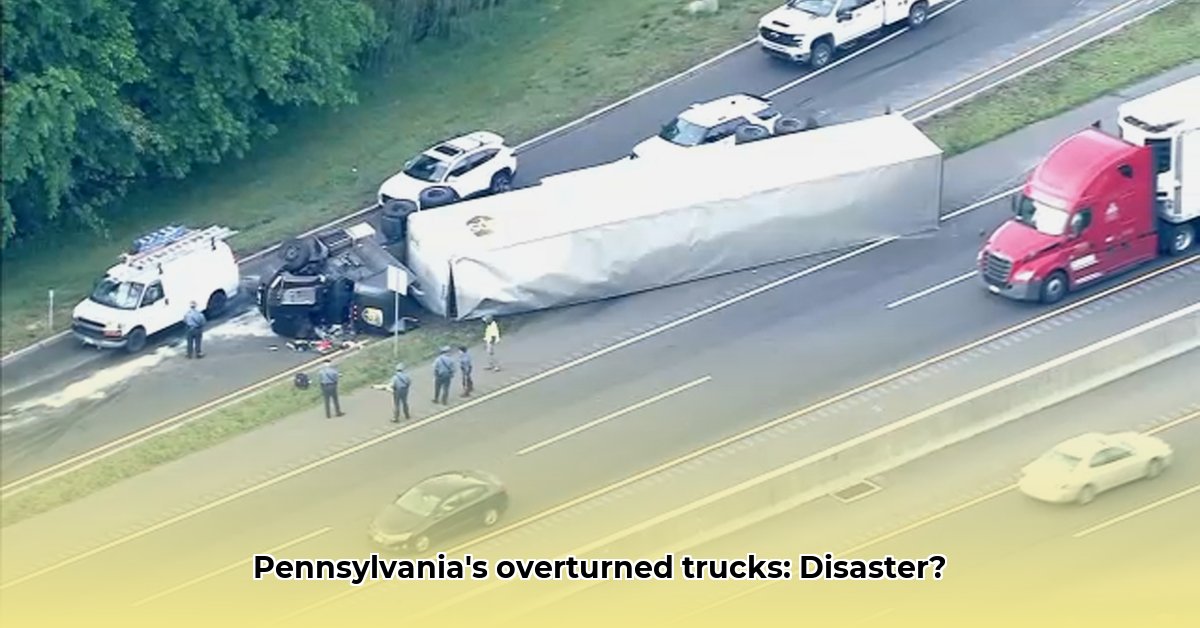
The jarring screech of metal, followed by a sickening crunch – this is the grim soundtrack of overturned tractor-trailers on Pennsylvania's highways. One recent incident on I-95 southbound, a scene of twisted metal and spilled cargo, brought traffic to a standstill for hours, highlighting the significant safety and economic consequences of these increasingly frequent events. The human cost, from frustrated commuters to delayed deliveries, is undeniable, but the economic impact extends far beyond the immediate aftermath, impacting supply chains, businesses, and the state's economy as a whole. Understanding the causes and implementing preventative measures is critical. For more on the weight of these vehicles, see [tractor trailer weight](https://weight-of-a-tractor-trailer.pages.dev).
Overturned Tractor Trailers: A Growing Crisis
Recent overturned tractor-trailer incidents underscore significant safety risks and substantial economic repercussions. The I-95 incident, where a massive rig lay on its side, obstructing a major artery and causing hours of delays, is a stark example. Similar disruptions on PA 581 further demonstrate this isn't an isolated issue. These aren't mere inconveniences; they represent large-scale disruptions with far-reaching consequences. The human toll is evident in the hours commuters lose, impacting productivity and daily life. Businesses endure lost revenue due to delivery delays, and the wider economy feels the strain as supply chains falter. The question remains: How do we address this growing problem?
The Economic and Human Ripple Effect
Beyond the immediate chaos of blocked highways and frustrated drivers, the consequences multiply. Businesses face substantial losses due to delayed deliveries, impacting production schedules and potentially leading to missed deadlines and contractual penalties. The longer-term effects on supply chains are equally significant, potentially leading to shortages and increased prices for consumers. The economic ripple effect, therefore, extends far beyond the initial road closure. What steps can we take to minimize these cascading effects?
Unraveling the Causes: A Complex Interplay
While pinpointing the precise cause of each accident requires thorough investigation, several factors consistently emerge as major contributors. Driver fatigue, exacerbated by tight delivery schedules and long hours on the road, is a prime suspect. Mechanical issues, such as faulty brakes or tire failures resulting from inadequate maintenance, further increase the risk. Road conditions, including potholes, inadequate signage, and poor lighting, also play a role. The presence of hazardous materials in some incidents significantly compounds the severity and complexity of the response. Addressing these interconnected factors is critical to developing effective solutions.
A Collaborative Approach to Prevention
Addressing this multifaceted problem requires a coordinated effort from various stakeholders:
Pennsylvania Department of Transportation (PennDOT): PennDOT must prioritize infrastructure improvements, focusing on road repairs and enhanced signage in high-risk areas. Investing in advanced traffic management systems and improving emergency response protocols are also crucial. Long-term investments should include exploring the integration of Advanced Driver-Assistance Systems (ADAS) in commercial vehicles.
Trucking Companies: Trucking companies must bolster driver training programs, emphasizing fatigue management and defensive driving techniques. Stricter vehicle maintenance schedules and regular inspections are essential to prevent mechanical failures.
Emergency Response Teams: Enhanced inter-agency coordination, including improved communication and standardized response protocols, is paramount. Investing in updated hazmat handling equipment and training is also crucial for safely handling hazardous material spills.
Commuters and Businesses: Commuters should utilize real-time traffic apps and plan accordingly, while businesses should build flexibility into their scheduling to accommodate potential delays. Collective advocacy for improved road safety and infrastructure investment is also vital.
Quantifying the Costs: The Economic Burden
The economic losses incurred as a result of these incidents are substantial. Road closures translate directly into lost productivity, increased fuel consumption from idling vehicles, and the significant expense of emergency response and cleanup. Although precise economic figures require further research to thoroughly quantify the losses, the qualitative impact is evident.
Toward a Safer Future: Proactive Solutions
The overturned tractor-trailer incidents serve as stark reminders of the necessity for proactive measures. Improved highway safety, enhanced emergency response capabilities, and a concerted effort to mitigate economic disruptions are paramount. A collaborative, multi-faceted approach, involving all stakeholders, is essential to building a safer and more efficient transportation system in Pennsylvania. The economic and human costs associated with these incidents demand a unified and proactive response.